Kinesiske elektriske lastbiler i Europa 2026: 6 producenter er klar til at underbyde EU-priserne med 30 % og omforme vejgodstransporten
6+ kinesiske el-lastbilmærker kommer til Europa i 2026 til priser 30 % under EU-modellerne. Hvad transportoperatører skal vide om BYD, Farizon, Sany og flere.

Logifie Team
Logistics Technology Experts
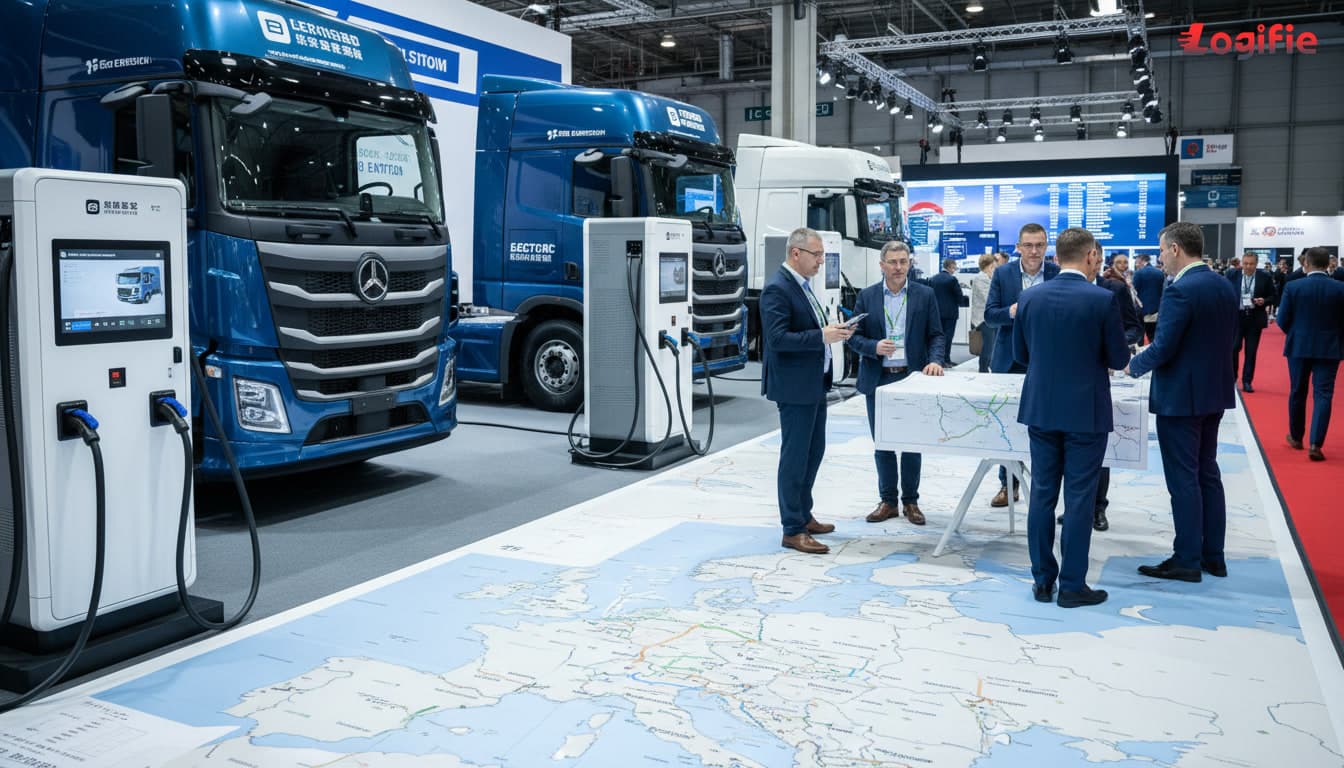
Kinesiske aktører sigter mod omkring EUR 225,000 pr. tung elektrisk lastbil mod cirka EUR 320,000 for de nuværende europæiske alternativer, mens EU-operatører også står over for CO2-efterlevelsespres og stigende dieselvolatilitet.
Kinesiske elektriske lastbiler i Europa 2026: 6 producenter er klar til at underbyde EU-priserne med 30 % og omforme vejgodstransporten
De kinesiske elektriske lastbiler i Europa er gået fra spekulation til indkøbsplanlægning. Mere end et halvt dusin producenter har nu konkrete indgangsplaner for 2026, som kan ændre den måde operatører prissætter afkarbonisering på.
For flåder, der allerede følger med i dieselinflation , strengere emissionsmål og ujævn udrulning af ladere, er ankomsten af billigere tunge el-køretøjer både en åbning og en stresstest for investeringsplanerne i europæisk vejgodstransport.
-30%
Flere rapporter peger på, at kinesiske tunge elektriske lastbiler forberedes til Europa til priser omkring 30 % under nuværende EU-producerede alternativer.
233,200
Kinas hjemlige skala inden for tunge elektriske lastbiler gav leverandører og OEM'er en langt større produktionsbase end Europa havde i 2025.
Hvad der er sket: En bølge af kinesiske lastbilmærker når Europa
Reuters og branchemedier beskriver nu en markedsindtrængningsbølge ledet af BYD, Farizon, Sany, Sinotruk, Windrose og SuperPanther, hvor flere mærker kombinerer eksport med montering eller servicefodfæste i EU for at få homologering og eftermarked hurtigere på plads.
Det er vigtigt, fordi flådeelektrificering har været bremset mindre af teknisk gennemførlighed end af købsprischok. En lavere indgangspris kan flytte samtalen fra pilotprojekter til bredere utrulning på ruter.
Hvor de første aktører positionerer sig
- BYD — bruger sin produktionsbase i Ungarn til at reducere friktionen ved markedsindtrængen og berolige købere om lokal support.
- Windrose — bruger Antwerpen som EU-base for drift og eftermarked tæt på centrale havne- og distributionsstrømme.
- SuperPanther — samarbejder med Steyr Automotive i Østrig, hvilket viser, at kontraktmontering kan forkorte time-to-market.
- Farizon, Sany og Sinotruk — bringer skalaen fra det kinesiske hjemmemarked, hvor batteriforsyning og komponentvolumen allerede er vel etableret.
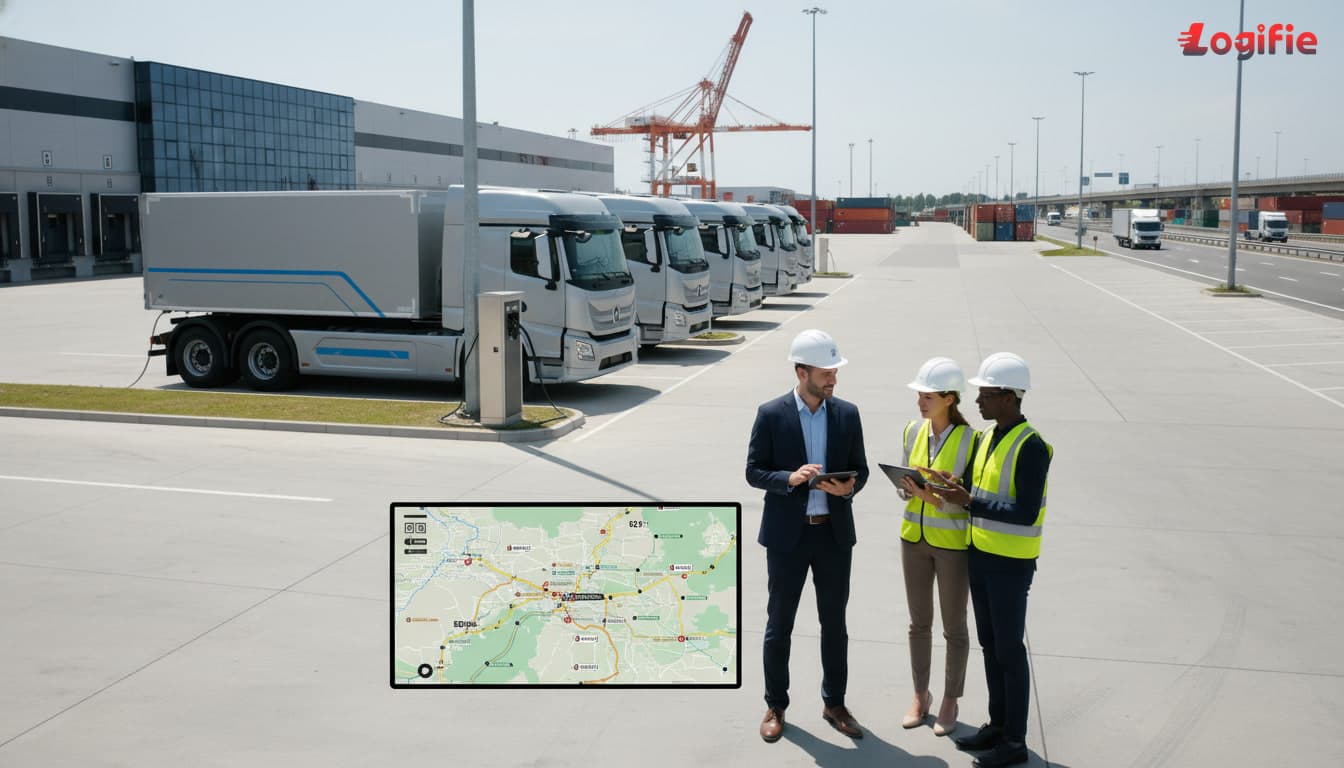
Tallene: Kina og Europa opererer i helt forskellige skalaer
Prisfortællingen giver først mening, når køberne sammenligner produktionsskala. Kinas hjemlige marked for tunge el-køretøjer er nu stort nok til at sprede omkostningerne for batterier, kraftelektronik og platforme på langt flere enheder end det stadig unge europæiske marked.
4.2%
Elektriske lastbiler udgjorde stadig en nicheandel af EU-salget af lastbiler i 2025, selv efter stærk vækst fra året før.
53.89%
Tunge elektriske lastbiler solgte kortvarigt mere end diesel i Kina i december 2025, hvilket understreger hvor modent det hjemlige økosystem er blevet.
| Målepunkt | Kina (2025) | Den Europæiske Union (2025) | Hvorfor det betyder noget |
|---|---|---|---|
| Markedsandel for tunge elektriske lastbiler | 29 % for hele året; 53.89 % i december | 4.2 % | Kinesiske leverandører kan amortisere teknologi- og batteriinvesteringer langt hurtigere. |
| Salg af tunge elektriske lastbiler | 233,200 enheder | ~13,000 enheder | Kinas produktionsbase er omtrent 18 gange større. |
| Omtrentlig salgspris for tunge el-køretøjer | ~EUR 225,000 eksportmål | ~EUR 320,000 | Prisgabet er stort nok til at ændre TCO-beslutninger. |
| Årlig vækst i el-køretøjer | +181.9 % YoY | +70 % YoY | Begge markeder vokser, men Kina skalerer fra en langt større installeret base. |
| Registrerede tunge lastbiler | N/A | 254,488 over 16 ton | Europa er stadig i overgangen fra diesel, mens Kina allerede har accelereret kommerciel EV-udrulning. |
Et købsgab på EUR 95,000 per lastbil garanterer ikke lavere livscyklusomkostninger, hvis service, dele og oppetid svigter. Indkøbsteams bør behandle eftermarkedsdækning som en kernevariabel i risikoen, ikke som en eftertanke.
Hvorfor prisgabet på 30 % betyder noget for flådeøkonomien
Europæiske operatører har i to år hørt, at batterilastbiler er strategisk nødvendige, men økonomisk svære at forsvare. Debatten om elektriske lastbilpriser i Europa 2026 ændrer sig, når anskaffelsesprisen kommer tættere på dieselskiftets cyklus i stedet for at ligge i et separat innovationsbudget.
For transportører, der allerede håndterer pres på fragtrater og kunders forventninger til afkarbonisering, kan en billigere lastbil flytte valget fra om vi skal elektrificere til hvor hurtigt de første ruter bør konverteres.
- Byg din TCO-model om ved at bruge EUR 225,000 i stedet for EUR 320,000 som udgangspunkt for købsomkostningen.
- Læg bompenge og afgifter ind fordi incitamenter for nul-emission i Tyskland, Østrig, Belgien og Nederlandene kan forbedre økonomien markant.
- Modeller rute-specifik udnyttelse så depotladning, opholdstid og returfragtsstruktur testes, før der placeres en ordre på flere enheder.
"Europas etablerede producenter står over for en kamp for livet, fordi kinesiske lastbilproducenter ankommer præcis dér, hvor regulering, batteriskala og kundernes prisudmattelse mødes."
- Automotive World, analyse marts 2026

Hvilke europæiske korridorer og lande kan bevæge sig først
Adoptionen vil sandsynligvis starte dér, hvor ladetæthed, toldincitamenter og kundernes bæredygtighedspres allerede spiller sammen. Det giver Nederlandene, Tyskland, Skandinavien og udvalgte Benelux-ruter et klart forspring.
Polske transportører er et andet marked at holde øje med. De konkurrerer i meget prisfølsomt grænseoverskridende arbejde, så en billigere tung EV kan få hurtig betydning på ruter, hvor operatørerne også følger med i restriktioner omkring offentlige helligdage og vinduer for byadgang. Hvis pålideligheden er acceptabel, kan ændringen i flådesammensætningen accelerere hurtigere, end mange etablerede aktører forventer.
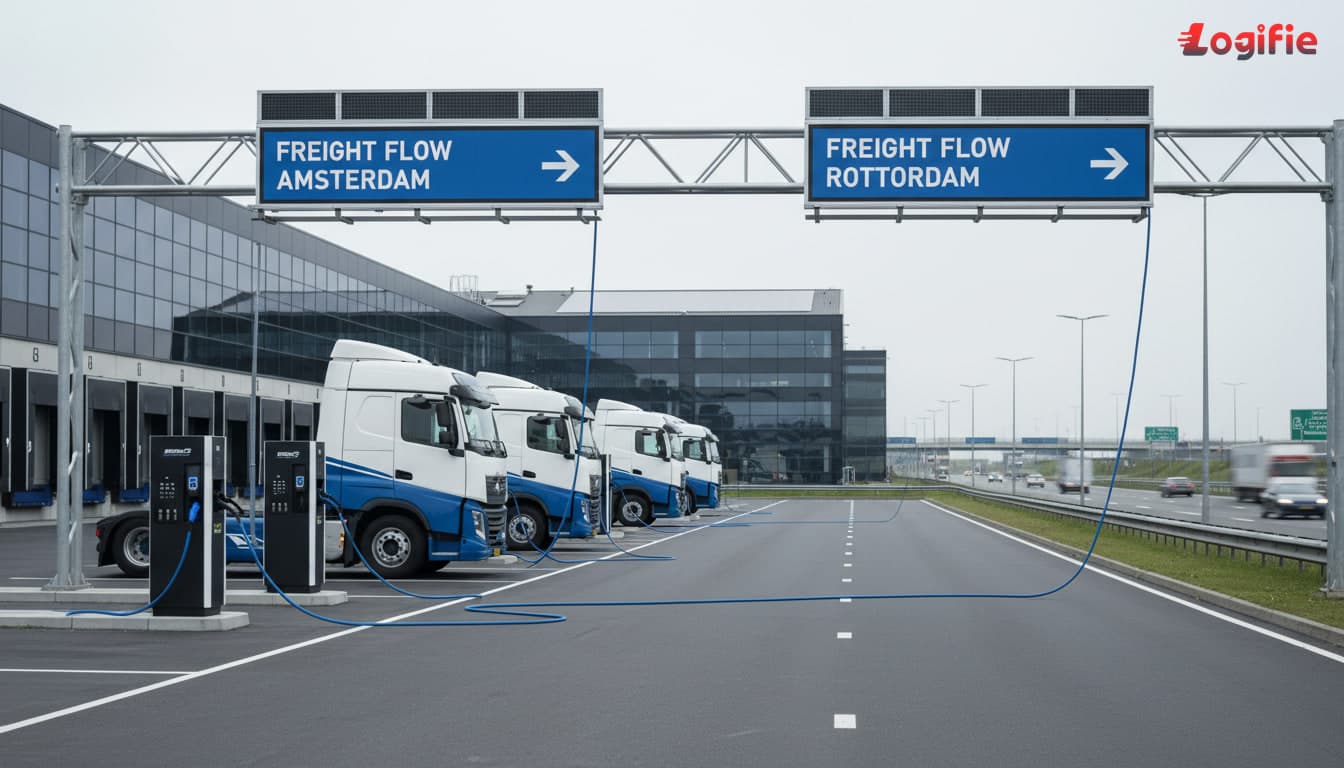
Reguleringen strammes ind, samtidig med at kinesisk udbud er på vej ind
EUs tunge lastbilers CO2-reduktionsbane skaber efterspørgsel, uanset om producenterne vil det eller ej. Mål på 45 % inden 2030, 65 % inden 2035 og 90 % inden 2040 betyder, at flåder ikke længere kan udsætte alle køb af nul-emissionskøretøjer.
Det er derfor, det kinesiske indgangsvindue er strategisk skarpt. Det kommer præcis, når markedet har brug for billigere tilbud, samtidig med at Bruxelles også undersøger, om kinesisk prissætning nyder godt af uretmæssig subsidiestøtte. Resultatet er en kommerciel kamp under reguleringsusikkerhed, ikke bare en enkel produktlanceringscyklus.
Flåde-teams bør følge med i Europa-Kommissionens undersøgelse af subsidier fordi antidumpingtold eller nye tariffer kan ændre prisbilledet i 2026 betydeligt, før store indkøbsrunder lukker.
EUR 95,000
Den omtrentlige forskel pr. lastbil mellem en kinesisk målpris på EUR 225,000 og en europæisk benchmark på EUR 320,000 er stor nok til at påvirke timingen for flådefornyelse.
Sådan reagerer de europæiske etablerede aktører
Europæiske OEM'er ignorerer ikke truslen. Daimler, Volvo, MAN og Scania fortsætter med at presse rækkevidde, softwareintegration og premium serviceøkosystemer, fordi det stadig er dér, hvor mærketillid og oppetidsydelse betyder mere end katalogprisen alene.
Men de etablerede står over for en strukturel udfordring: Operatørerne ønsker i stigende grad overkommelig afkarbonisering, ikke bare premium ingeniørkunst. Købere, der følger med i fragt-tech og markedsanalyse , kan allerede se, at prisdisciplin bliver næste slagmark.
Hvad fraktoperatører bør gøre nu
Det praktiske spørgsmål er ikke, om kinesiske tunge EV'er kommer, men hvilke operatører der er klar når prislister, servicevilkår og leveringsvinduer bliver virkelige. Teams med stærk ruteniveau-synlighed vil stå bedre rustet til at teste de første udrulninger.
- Benchmark de første ruter hvor fast ruteudnyttelse, depotladning og fordele ved nul-emission i byer allerede spiller sammen.
- Bed om kommercielle vilkår tidligt så du kan sammenligne reelle listepriser, garantibetingelser og deleforpligtelser, før tariffer eller subsidieundersøgelser ændrer tallene.
- Stresstest servicestøtten ved at bede om svartider, lokal værkstedsdækning og procedurer for batteriskift skriftligt.
- Kortlæg ladeberedskabet på tværs af depoter og partnerlokationer, især på Tyskland-Benelux og nordiske korridorer.
- Genopbyg prisstrategien over for kunderne så grøn kapacitet kan sælges som en margin- og efterlevelsesfordel, ikke kun som en bæredygtighedshistorie.
- Følg politikken ugentligt fordi antidumpingtiltag, tilskud og ændringer i toldregler kan bevæge sig hurtigere end lastbilfornyelsescyklusser.
FAQ
Hvor meget billigere er kinesiske elektriske lastbiler end europæiske? Den aktuelle rapportering peger på omkring 30 % rabat, eller cirka EUR 95,000 per lastbil mod en europæisk benchmark på EUR 320,000, men tariffer eller subsidietiltag kan ændre det senere i 2026.
Hvilke mærker går ind i Europa i 2026? BYD, Farizon, Sany, Sinotruk, Windrose og SuperPanther er de navne, der oftest nævnes, med en blanding af lokal montering, kontraktproduktion og direkte salgsforberedelse i Ungarn, Belgien og Østrig.
Vil kinesiske elektriske lastbiler forstyrre europæisk fragt? Ja, hvis oppetiden er troværdig. Prisgabet kommer præcis, når flåder har brug for lavemissionsaktiver, så selv begrænset tidlig succes kan tvinge de etablerede til hurtigt at revurdere priser og servicepakker.
Konklusion: Konkurrencespørgsmålet er flyttet fra teknologi til pris
Kinesiske producenter går ikke ind i Europa blot som endnu et sæt lastbilmærker. De ankommer med en anden omkostningsstruktur på samme tidspunkt, som regulering og kundepres gør investeringer i nul-emission uundgåelige.
Europæiske producenter af fragtlastbiler forbereder sig på bølge af kinesiske lavprisrivaler
Kinesiske el-lastbilproducenter ser mod Europa
Kinesiske el-lastbiler skal underbyde Europa med 30 %
Steyr Automotive skal montere elektriske og diesel-lastbiler for Sinotruk
ACEA: Nye registreringer af erhvervskøretøjer 2025
Kapløbet mod nul: Kvartalsvis markedsudvikling for tunge køretøjer i Europa (jan.-dec. 2025)