Tolgelden in de EU uitgelegd: gids per land voor vrachtwagenchauffeurs (2026)
Volledige gids voor tolheffingen in de EU voor vrachtwagens in 2026. Tarieven per land, CO2-klassen en kostenbesparende strategieën voor Europese vrachtvervoerders.

Logifie Team
Logistics Technology Experts
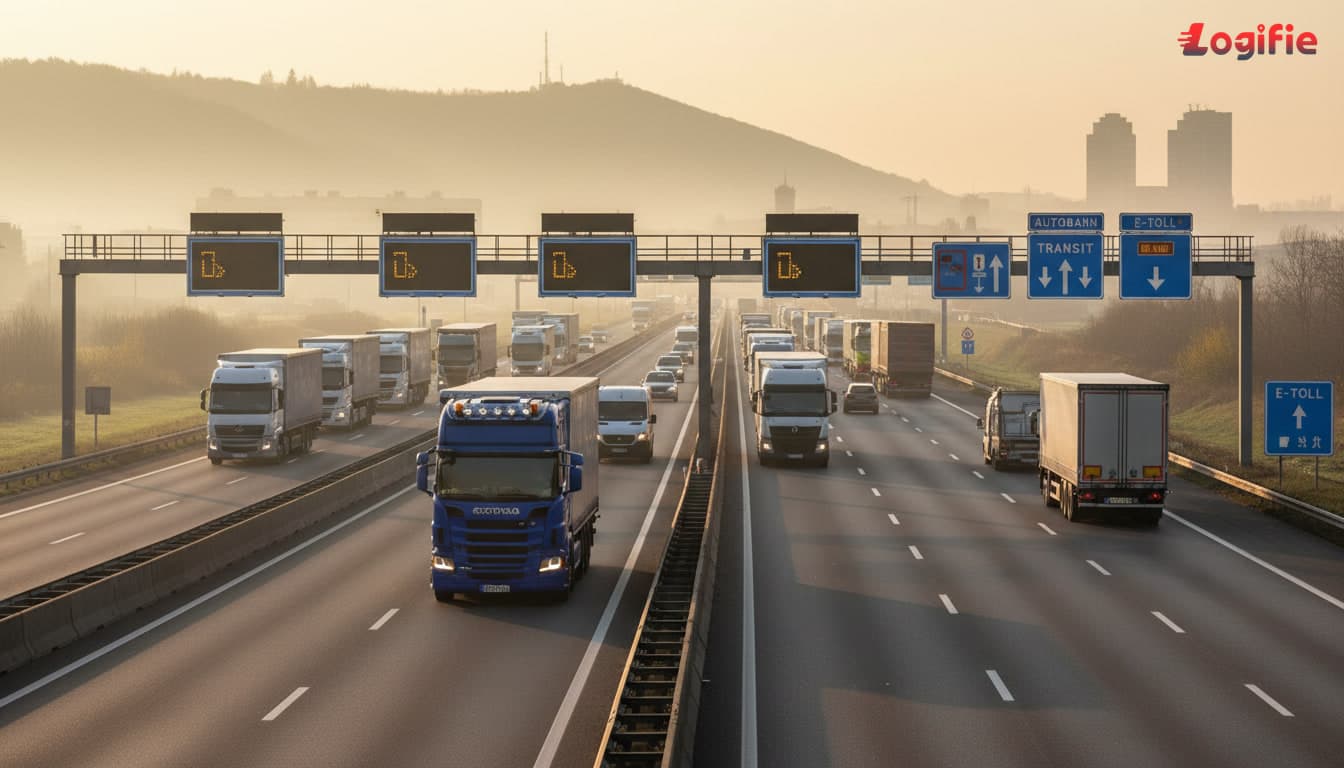
Polen verhoogde de e-TOLL-tarieven met 40-42% in februari 2026, Oostenrijk introduceerde CO2-gekoppelde toltarieven en Nederland lanceert op 1 juli 2026 kilometergebaseerde tolheffing voor vrachtwagens – waardoor tolkosten een topprioriteit worden voor vervoerders en verladers in heel Europa.
Tolgelden in de EU uitgelegd: gids per land voor vrachtwagenchauffeurs (2026)
Als u in 2026 vrachtwagens door heel Europa bestuurt, zijn tolheffingen niet langer een regelitem waar u naar kunt kijken en vervolgens kunt vergeten. Terwijl Polen de e-TOLL-tarieven verhoogt 40-42% in februari , Oostenrijk introduceert nieuwe CO2-gekoppelde heffingsniveaus, en Nederland lanceert op 1 juli een geheel nieuwe op kilometers gebaseerde tol voor vrachtwagens, de EU-wegentol voor vrachtwagens is een van de snelst stijgende kostencomponenten in het Europese vrachtvervoer geworden. Volgens Girteka wordt er nu tol geheven ongeveer 14% van de totale vrachtkosten — en tot 23% op bepaalde enkele reisroutes . In Oostenrijk en Hongarije bestaan er al tolkosten per kilometer overtrof de brandstofkosten . Deze gids geeft een overzicht van de toltarieven, systemen en CO2-regels die u moet kennen voor elke grote Europese vrachtmarkt in 2026.
Hoe tolgelden in de EU werken: de basisprincipes voor vrachtvervoerders
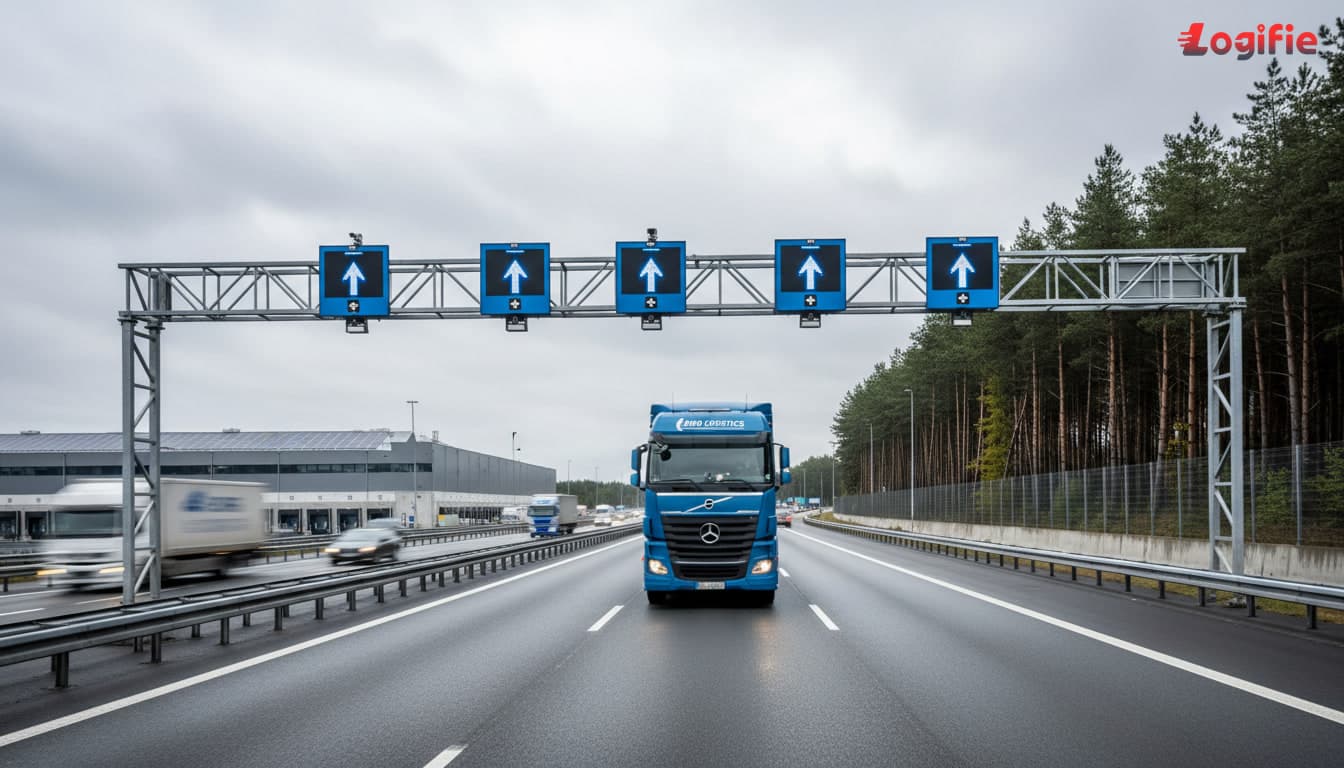
Voordat we ingaan op de landspecifieke tarieven, helpt het om de twee belangrijkste tolmodellen te begrijpen die in heel Europa worden gebruikt en waarom ze snel naar elkaar toe groeien.
Het eerste model isop afstand gebaseerde tolheffing, waar vrachtwagens per gereden kilometer betalen. Duitsland (Maut), Oostenrijk (GO Maut), Polen (e-TOLL), Tsjechië, Hongarije, Slowakije, België en – vanaf juli 2026 – Nederland gebruiken allemaal deze aanpak. Het tarief varieert doorgaans afhankelijk van de emissieklasse van het voertuig, het aantal assen en de gewichtscategorie. Het tweede model istolheffing op basis van concessies, voornamelijk gebruikt in Frankrijk, Spanje, Italië en Portugal, waar particuliere concessiehouders specifieke snelwegtrajecten exploiteren en per traject of per afstand op die corridor kosten in rekening brengen.
De EU is herzienEurovignetrichtlijnduwt alle lidstaten in de richting van op afstand gebaseerde, CO2-gekoppelde tolheffing. Op 4 maart 2026 werd de De EU-Raad heeft overeenstemming bereikt over een onderhandelingsmandaat voor gerichte wijzigingen om de CO2-definities te verduidelijken en uniforme implementatietijdlijnen vast te stellen. Tegen 2026, 17 EU-lidstaten zal op afstand of tijd gebaseerde tolheffingen hebben die variëren naargelang de CO2-uitstoot, en die naar schatting 62% van alle vrachtwagenactiviteit in de EU zal dekken. Het tijdperk van platte vignetten voor vrachtwagens loopt ten einde.
Een cruciaal concept om te begrijpen isCO2-emissieklassen. Volgens het Eurovignet worden vrachtwagens ingedeeld in vijf CO2-klassen (klasse 1 is de meest vervuilende klasse en klasse 5 is emissievrij). Vanaf 1 juli 2026 worden nieuwe CO2-emissienormen voor zware bedrijfsvoertuigen van kracht, die rechtstreeks van invloed zijn op de manier waarop de wegenbelasting wordt berekend. Hoe schoner uw wagenpark, hoe minder u betaalt – en de kloof tussen de tarieven van klasse 1 en klasse 5 is in elke grote markt aanzienlijk.
EU-tolgelden per land: tarieven voor vrachtwagens voor 2026
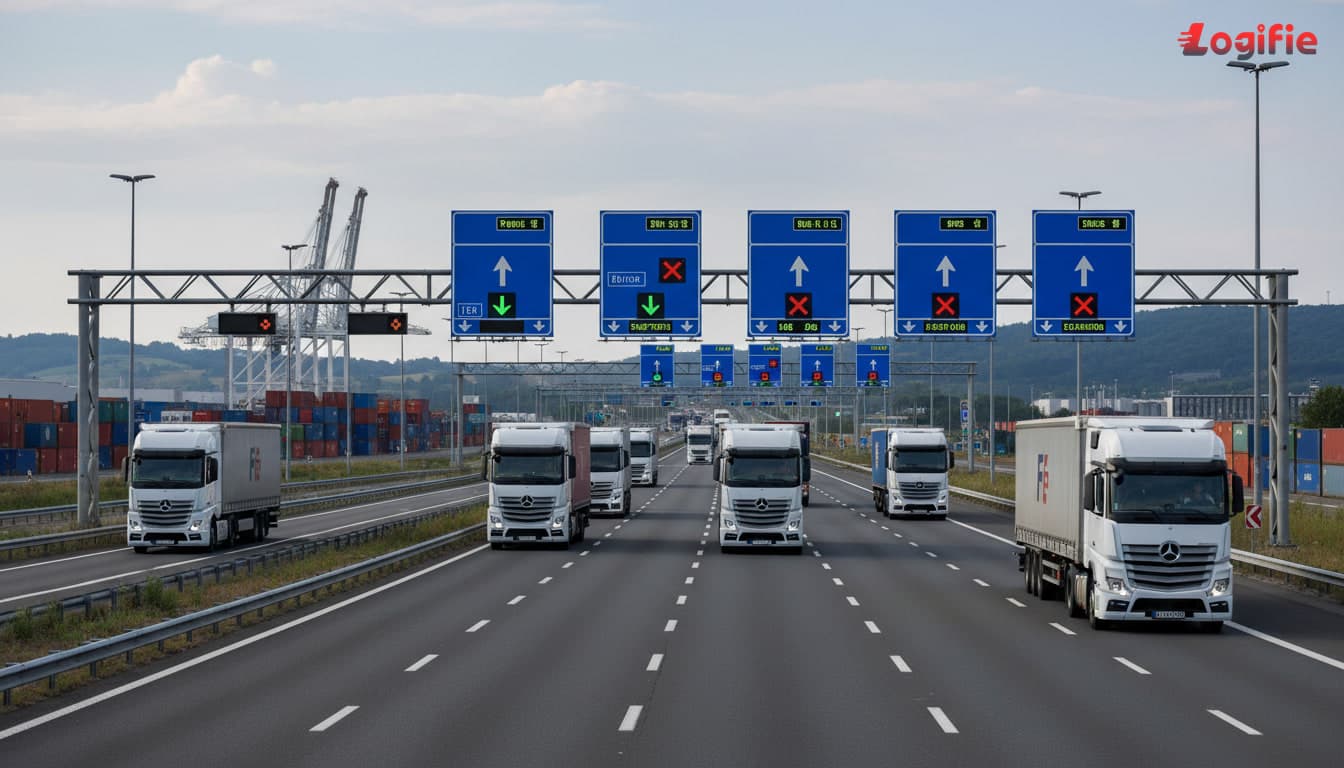
Dit is wat vrachtvervoerders betalen op elke grote Europese markt. Alle onderstaande tarieven gelden voor vrachtwagens van meer dan 3,5 ton, tenzij anders vermeld.
Duitsland (LKW-Maut)
Duitsland exploiteert een van Europa's duurste en meest uitgebreide tolsystemen voor vrachtwagens, beheerd door Tolheffing . Alle voertuigen van meer dan 3,5 ton die voor vrachtvervoer worden gebruikt, moeten betalen op het gehele federale snelwegennet plus aangewezen federale wegen – ongeveer 52.000 km tolwegen.
Tarieven:€ 0,19–€ 0,35 per km afhankelijk van CO2-emissieklasse, aantal assen en gewichtscategorie. De tol bestaat uit een infrastructuurheffing, een luchtverontreinigings- en geluidstoeslag, en a CO2-toeslag van € 200,- per ton CO2 . Voor een typische 5-assige Euro VI-vrachtwagen in de zwaarste gewichtsklasse kunt u rekenen op ongeveer € 0,19 – € 0,21/km. Voor oudere Euro V-voertuigen stijgen de tarieven richting € 0,27 – € 0,35/km. Tolrekening voor tot 15% van de totale eigendomskosten van een vrachtwagen in Duitsland.
Emissievrije voertuigen:Vanaf 1 januari 2026 krijgen emissievrije zware bedrijfsvoertuigen een 75% reductie op de infrastructuurcomponent , waarbij u ongeveer € 0,07–€ 0,09/km betaalt voor de zwaarste asconfiguraties.
Systeem:Automatisch via OBU (On-Board Unit) of handmatig boeken via het Toll Collect-portaal.
Oostenrijk (GO Maut)
Oostenrijk ASFINAG-bediende GO Maut geldt voor alle snelwegen en snelwegen voor voertuigen van meer dan 3,5 ton. Het is momenteel het duurste tolsysteem per kilometer in Europa voor conventionele dieselvrachtwagens.
Tarieven:Vanaf 1 januari 2026 variëren de tarieven van € 0,0577/km voor emissievrije 2-assige voertuigen tot € 0,6127/km voor voertuigen van emissieklasse 1 in de zwaarste configuraties. Een standaard Euro VI 4+-assige vrachtwagen betaalt ongeveer € 0,41 – € 0,53/km. Het totaaltarief combineert een infrastructuurheffing (gedifferentieerd naar CO2-klasse), een luchtvervuilings- en geluidstoeslag (per Euro-emissieklasse) en een CO2-emissietoeslag. Oostenrijk heft ook speciale tol op bepaalde Alpenroutes (Brennerpas, Tauerntunnel, Arlbergtunnel).
Emissievrije voertuigen:Elektrische vrachtwagens en vrachtwagens op waterstof betalen slechts 25% van het standaard infrastructuurtarief.
Systeem:GO-Box OBU, verkrijgbaar bij tankstations langs de snelweg en online.
Polen (e-TOLL)
De e-TOLL-systeemzaag van Polen twee opeenvolgende verhogingen begin 2026 : een indexering van 4–6,6% op 1 januari, gevolgd door de grote renteverhoging van 40–42% op 1 februari. Het tolnetwerk breidde zich tegelijkertijd uit tot ongeveer 5,869 km , waardoor ongeveer 645 km nieuwe tolwegen worden toegevoegd, inclusief delen van de snelweg A2 en geselecteerde snelwegen.
Tarieven:Voor het zwaarste Euro 6-voertuig bedraagt het snelwegtarief ongeveer PLN 0,56/km (ongeveer € 0,13/km tegen de huidige wisselkoersen). De tarieven variëren per gewichtscategorie (3,5–12t en 12t+), Euro-emissieklasse en wegtype (snelweg vs. rijksweg). Ondanks de sterke stijging, Notities van het Poolse Ministerie van Infrastructuur dat de gemiddelde tarieven nog steeds tot de laagste in de EU behoren.
Systeem:GPS-gebaseerd via de e-TOLL-app, OBU of externe toldienstverleners (DKV, Eurowag, etc.).
Nederland (Vrachtwagenheffing) — Lancering op 1 juli 2026
Nederland vervangt het jaarlijkse Eurovignet (€ 1.250/jaar per vrachtwagen) door een nieuw tolheffing voor vrachtwagens op kilometerbasis vanaf 1 juli 2026 . Dit is een fundamentele verandering: in plaats van een vast jaarbedrag, ongeacht de afstand, wordt elke kilometer die op de Nederlandse wegen – inclusief lokale en regionale wegen – wordt gereden, in rekening gebracht.
Tarieven:Bereik van € 0,022/km voor lichte voertuigen met lage uitstoot (CO2-klasse 5) tot € 0,425/km voor zware Euro 0-vrachtwagens (CO2-klasse 1) . Een typische Euro 6-vrachtwagen van meer dan 32.000 kg betaalt € 0,172 – € 0,175/km. Voor vervoerders die in Nederland veel kilometers rijden, is dit een aanzienlijke kostenstijging.
Systeem:OBU-gebaseerd, waarbij CO2-klasse en gewicht het tarief bepalen.
Tsjechië (Mýtný-systeem)
Vanaf 1 januari 2026 heeft Tsjechië een nieuwe tolprijslijst met stijgingen van 0,7-1,5% op snelwegen, maar dramatisch hogere stijgingen op Klasse I-wegen – tot 41,8% voor bepaalde voertuigcategorieën. Het systeem omvat snelwegen, snelwegen en geselecteerde Klasse I-wegen voor voertuigen van meer dan 3,5 ton.
Tarieven:Ongeveer CZK 2,09–5,86/km (€0,08–€0,23/km), afhankelijk van het wegtype, de Euro-emissieklasse en het aantal assen. De tarieven op de snelwegen blijven gematigd vergeleken met die in Duitsland en Oostenrijk, maar de stijging van de klasse I-wegen treft vervoerders die alternatieve routes gebruiken bijzonder hard.
Systeem:Satellietgebaseerde OBU via CzechToll.
België (Kilometerheffing)
België hanteert een op afstand gebaseerde tolheffing voor voertuigen van meer dan 3,5 ton, die alle snelwegen, nationale wegen en enkele regionale wegen in Vlaanderen, Wallonië en Brussel bestrijkt. In januari 2026 waren de tarieven geïndexeerd met +1,91% gebaseerd op consumentenprijzen van augustus 2025.
Tarieven:Ongeveer € 0,074–€ 0,20/km, afhankelijk van de Euro-emissieklasse, het gewicht en de regio. De drie Belgische gewesten (Vlaanderen, Wallonië, Brussel) hanteren verschillende tarieven voor dezelfde wegtypen, wat de complexiteit van langlaufroutes vergroot.
Systeem:OBU via Viapass (aanbieders van Satellic, Axxès of Telepass).
Frankrijk (Péage)
Frankrijk gebruikt op de meeste autoroutes een op concessies gebaseerd tolsysteem, beheerd door bedrijven als VINCI Autoroutes en Sanef. Vrachtwagens van meer dan 3,5 ton of meer dan 3 meter hoog vallen in tolklasse 3 en 4. De de gemiddelde tolverhoging in 2026 bedroeg 2,8% , effectief vanaf 1 februari.
Tarieven:Variabel per route — er bestaat niet één nationaal tarief per km. Als ruwe maatstaf betaalt een vrachtwagen met 5 assen ongeveer € 0,15 tot € 0,30/km op typische snelwegcorridors, maar de tarieven variëren aanzienlijk tussen concessiehouders en routes. Op de corridor Parijs-Lyon en de Alpentunnels (Fréjus, Mont Blanc) wordt premium tol geheven.
Systeem:Telepass (automatisch) of handmatige betaling op tolstations.
Italië, Spanje en Portugal
Deze drie landen maken allemaal gebruik van op concessies gebaseerde tolheffing op snelwegen. Het Italiaanse Autostrade-systeem rekent vrachtwagens afhankelijk van de route ongeveer € 0,10 tot € 0,22/km aan, waarbij de Alpentunnels en de Brennerpascorridor hogere tarieven hanteren. De Spaanse tolsnelwegen (autopistas) hanteren variabele tarieven, hoewel veel voormalige tolwegen de afgelopen jaren van heffingen zijn vrijgesteld; voor de overige tolcorridors wordt ongeveer € 0,08 – € 0,18/km gerekend. Het Portugese Via Verde-systeem bestrijkt alle snelwegen, waarbij de tarieven voor zware voertuigen per route variëren.
In cijfers: tolkosten vergeleken tussen EU-landen
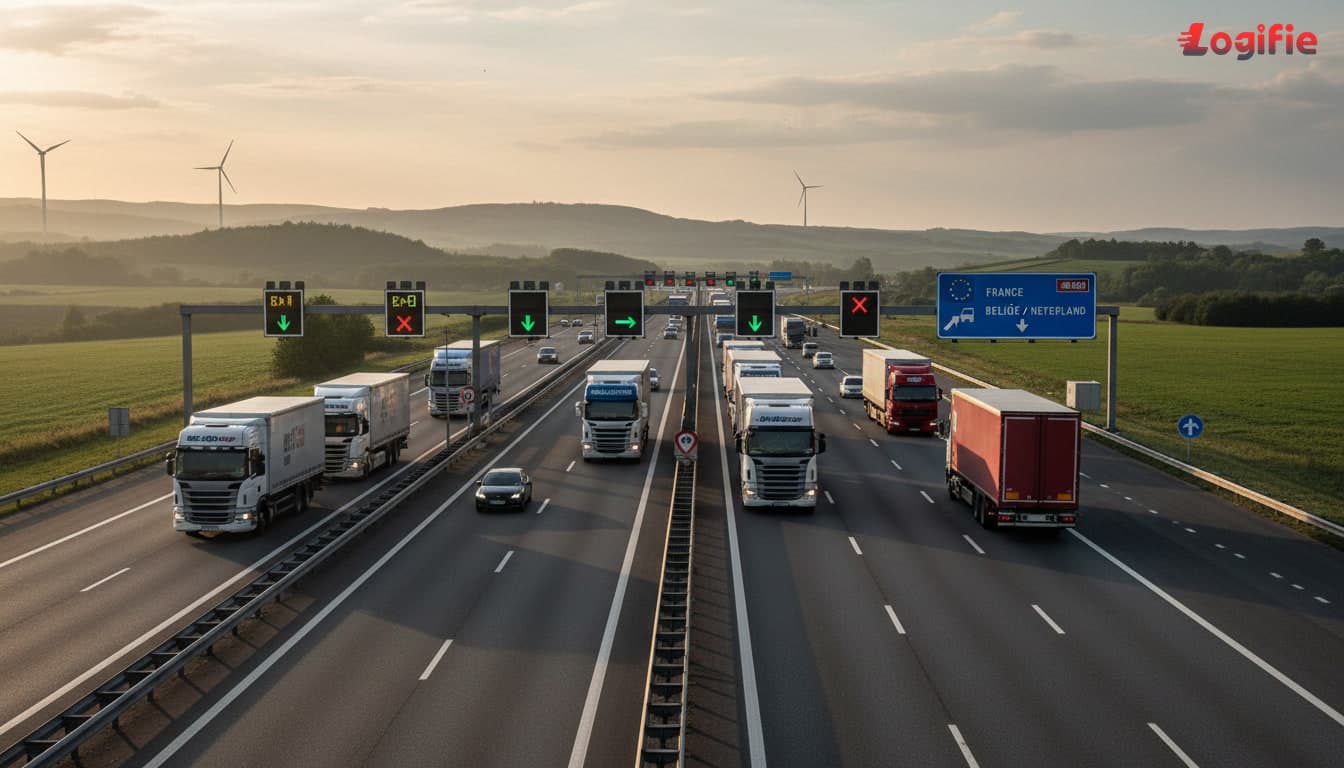
| Land | Systeemtype | Ong. Tariefbereik (€/km) | CO2-gekoppeld? | 2026 Verandering |
|---|---|---|---|---|
| **Oostenrijk** | Afstand (GO Maut) | €0.06–€0.61 | Yes | Nieuwe CO2-niveaus |
| **Duitsland** | Afstand (Maut) | €0.19–€0.35 | Yes | ZEV 75% korting |
| **Nederland** | Afstand (nieuw juli 2026) | €0.02–€0.43 | Yes | NIEUW systeem |
| **België** | Afstand (Viapass) | €0.07–€0.20 | Yes | +1,91% geïndexeerd |
| **Polen** | Afstand (e-TOLL) | €0.05–€0.13 | Gedeeltelijk | +40-42% stijging |
| **Tsjechië** | Afstand (Tsjechische tol) | €0.08–€0.23 | Yes | Up to +41.8% |
| **Frankrijk** | Concessie (Péage) | €0.15–€0.30 | No | +2,8% gemiddeld |
| **Italië** | Concessie (Autostrade) | €0.10–€0.22 | No | Variabele |
| **Spanje** | Concessie (Autopista) | €0.08–€0.18 | No | Variabele |
Opmerking: Getoonde tarieven zijn indicatieve bereiken voor standaard Euro VI 5-assige vrachtwagens. De werkelijke kosten zijn afhankelijk van de specifieke asconfiguratie, het gewicht, de emissieklasse en het traject. Brongegevens samengesteld uit [trans.info](https://trans.info/en/higher-tolls-2026-445921), [impargo](https://impargo.de/en/blog/austria-truck-tolls-go-box-rates), [Girteka](https://www.girteka.eu/how-tolls-affect-road-transportation-prices-europe/) en officiële websites van tolexploitanten.
Wat de eurovignetrichtlijn betekent voor uw tolkosten
De herziene eurovignetrichtlijn is de regelgevende motor achter deze continentbrede verschuiving. Tot de kernvereisten behoren een verplichte, op CO2 gebaseerde tolvariatie voor alle nieuwe of vernieuwde concessies, de geleidelijke afschaffing van tijdsgebaseerde vignetten voor zware vrachtwagens (Nederland is de laatste die hieraan voldoet) en de verplichting om externe kostenheffingen (luchtvervuiling, geluidshinder, CO2) afzonderlijk van de infrastructuurheffingen te oormerken.
The 4 maart 2026 Mandaat van de Raad voor gerichte wijzigingen heeft tot doel te verduidelijken hoe CO2-klassen interageren met de nieuwe CO2-emissienormen voor zware voertuigen die op 1 juli 2026 van kracht worden. Dit betekent dat het tolverschil tussen schone en vuile voertuigen de komende jaren verder zal toenemen.
Voor vervoerders die oudere Euro V-vloten exploiteren, wordt de financiële prikkel om te upgraden nu groter: niet alleen verbruiken oudere vrachtwagens meer brandstof, ze betalen ook aanzienlijk hogere tol op elke CO2-gekoppelde markt. Alleen al op de corridor Duitsland-Oostenrijk kan het tolverschil tussen een Euro V- en een Euro VI-vrachtwagen groter zijn dan € 0,10/km – wat honderden euro’s per retour oplevert.
Hoe de stijgende tolkosten in de EU kunnen worden beheerd: praktische checklist
- Ken uw CO2-klasse voor elk voertuig.In het kader van het Eurovignet wordt aan elke vrachtwagen een CO2-emissieklasse (1–5) toegekend. Registreer elk voertuig correct bij de tolaanbieder van elk land. Een verkeerde classificatie betekent dat u te veel betaalt of boetes riskeert.
- Gebruik een tolaanbieder in meerdere landen.Diensten zoals DKV, Eurowag, UTA of Telepass consolideren de facturering van meerdere EU-tolsystemen in één account, waardoor de administratieve overhead wordt verminderd en de naleving wordt gewaarborgd.
- De factor telt mee in elke prijsopgave.Aangezien de tolgelden 14-23% van de vrachtkosten bedragen, dient u expliciete toldoorbetalingsclausules in uw contracten op te nemen. Gebruik corridorspecifieke tolcalculatoren – gratis tools van Impargo and Tolheffing bereken de exacte kosten per route.
- Evalueer routes opnieuw na de tariefwijzigingen van 2026.De Poolse tolverhoging met 40% en de verhoging van de klasse I-wegen in Tsjechië kunnen de kostencalculus voor Centraal-Europese corridors doen verschuiven. Voer kostenvergelijkingen uit tussen alternatieven voor snelwegen en nationale wegen.
- Bereid je voor op de Nederlandse lancering op 1 juli.Als u vrachtwagens naar of via Nederland rijdt, registreer u dan vóór juli 2026 voor het Vrachtwagenheffingssysteem. De verschuiving van een vlak vignet van € 1.250/jaar naar kilometerheffing zal de kosten verhogen voor vervoerders die veel kilometers rijden en de kosten verlagen voor mensen die af en toe naar Nederland reizen.
- Budget voor jaarlijkse verhogingen.De meeste tolsystemen in de EU worden jaarlijks geïndexeerd – België maakt gebruik van indexering van de consumentenprijzen, Frankrijk past zich in februari aan en Polen heeft nu blijk gegeven van bereidheid om verhogingen door te voeren boven de inflatie. Bouw een jaarlijkse escalatie van de tolkosten van 3-5% op in uw meerjarenbudgetten.
- Maandelijks tolfacturen controleren.Onjuiste asdetectie, verkeerde toewijzing van emissieklassen en systeemfouten komen vaak voor. Vergelijk tolfacturen met ritregistraties om te hoge kosten op te sporen.
- Denk eens aan de elektrificatie van de vloot.Nu Duitsland een tolverlaging van 75% aanbiedt voor emissievrije vrachtwagens en Oostenrijk slechts 25% van het standaardtarief in rekening brengt, kan de tolbesparing alleen al de business case voor elektrische zware voertuigen op corridors met hoge tol aanzienlijk verbeteren.
- Gebruik [logifie.com/fuel](https://logifie.com/fuel) om naast de tolgelden ook de brandstofkosten in de gaten te houden.Wanneer zowel de brandstofprijzen als de toltarieven stijgen – zoals in het eerste kwartaal van 2026 – hebt u realtime inzicht nodig in beide kostenfactoren om de prijzen correct te kunnen bepalen en de marges te beschermen.
- Controleer [feestdagenschema's](https://logifie.com/holidays) voordat u de route plant.Sommige tolsystemen bieden verlaagde tarieven tijdens de daluren en plannen hieromtrent rijverboden in het weekend kan van invloed zijn op welke tolcorridors u moet gebruiken.
FAQ
Hoeveel bedraagt de tol voor vrachtwagens in Europa?
De tolheffingen in de EU voor vrachtwagens variëren sterk per land. In 2026 variëren de tarieven van ongeveer € 0,05/km in Polen tot ruim € 0,53/km in Oostenrijk voor voertuigen met een hoge uitstoot. Gemiddeld zijn de tolgelden verantwoordelijk voor ongeveer 14% van de totale vrachtkosten in heel Europa, hoewel dit cijfer kan oplopen tot 23% op tolzware enkele reisroutes zoals de Oostenrijkse Alpencorridors, volgens onderzoek van Girteka .
Welk Europees land heeft de hoogste tol voor vrachtwagens?
Oostenrijk heeft momenteel de hoogste toltarieven per kilometer voor vrachtwagens in Europa. Een standaard vrachtwagen betaalt ongeveer € 0,53/km op Oostenrijkse snelwegen — meer dan vijf keer het tarief op vergelijkbare Poolse snelwegen. Duitsland volgt als de op één na duurste grote markt met € 0,19 tot € 0,35/km, waarbij het verschil grotendeels wordt veroorzaakt door de Duitse CO2-toeslag van € 200/ton.
Zijn elektrische vrachtwagens vrijgesteld van tol in Europa?
Elektrische vrachtwagens zijn in de meeste landen niet volledig vrijgesteld, maar krijgen wel aanzienlijke kortingen. Duitsland biedt een 75% tolreductie over de infrastructuurheffing voor emissievrije zware bedrijfsvoertuigen (resulterend in ~€ 0,07–€ 0,09/km). Oostenrijk rekent elektrische vrachtwagens slechts 25% van het standaardtarief. Het nieuwe systeem van Nederland vanaf juli 2026 begint bij slechts € 0,022/km voor de lichtste emissievrije voertuigen. Deze verlagingen verbeteren de totale eigendomskosten voor elektrische wagenparken op tolzware routes aanzienlijk.
Heeft u betrouwbare Europese vracht nodig met transparante tol-inclusieve prijzen en realtime tracking? Ontvang een gratis offerte | Word lid van ons netwerk
Bronnen
Hogere toltarieven in heel Europa: wat verandert er in 2026