Dieselchock från kriget i Iran: kostnadsplaybook för Europas godstransporter
Europeisk diesel steg 55% på 10 dagar efter störningen i Hormuzsundet. Se effekten på fraktkostnader, tilläggsrisker och åtgärder för transportköpare.

Logifie Team
Logistics Technology Experts
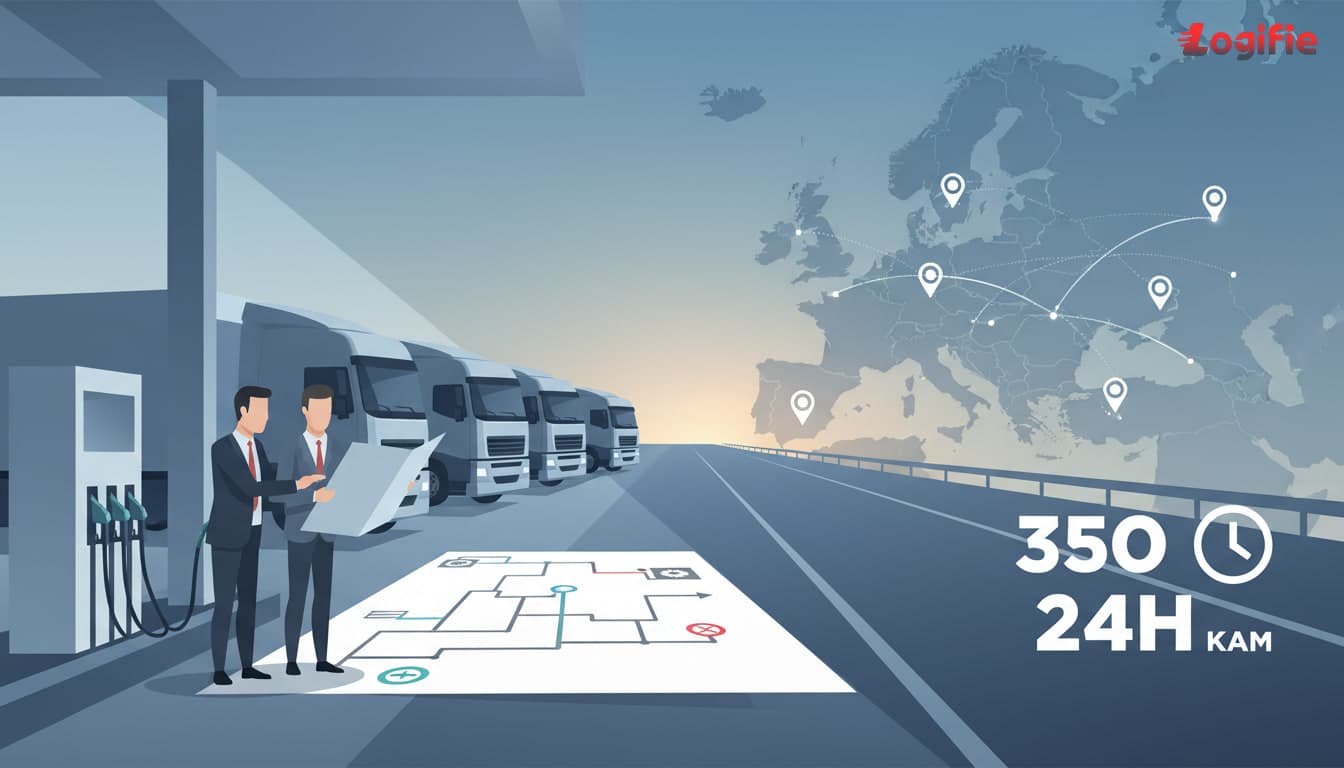
+55%
Europeisk grossistdiesel steg från cirka $750 till ungefär $1,165 per ton på 10 dagar efter störningen i Hormuzsundet.
Varför dieselprisuppgången redan är en fraktfråga
Den aktuella dieselprischock frakt är inte längre bara en geopolitisk rubrik. För europeiska transportteam som följer bränslepriser förändrar störningen i Hormuzsundet redan offertgiltighet, förhandlingar med transportörer och routekonomi just nu.
Efter 28 februari 2026-eskaleringen steg Brent från ungefär $70 till över $110 per fat , samtidigt som tankertrafiken genom Hormuz kollapsade och dieselmarknaden reagerade snabbare än de flesta månatliga bränsletilläggs-formler kan absorbera.
Bränsle står för 30% till 50% av de totala driftkostnaderna för vägfrakt på många europeiska korridorer, så en snabb dieselchock når FTL-planering , transportörsmarginaler och akuta tarifföversyner nästan omedelbart.
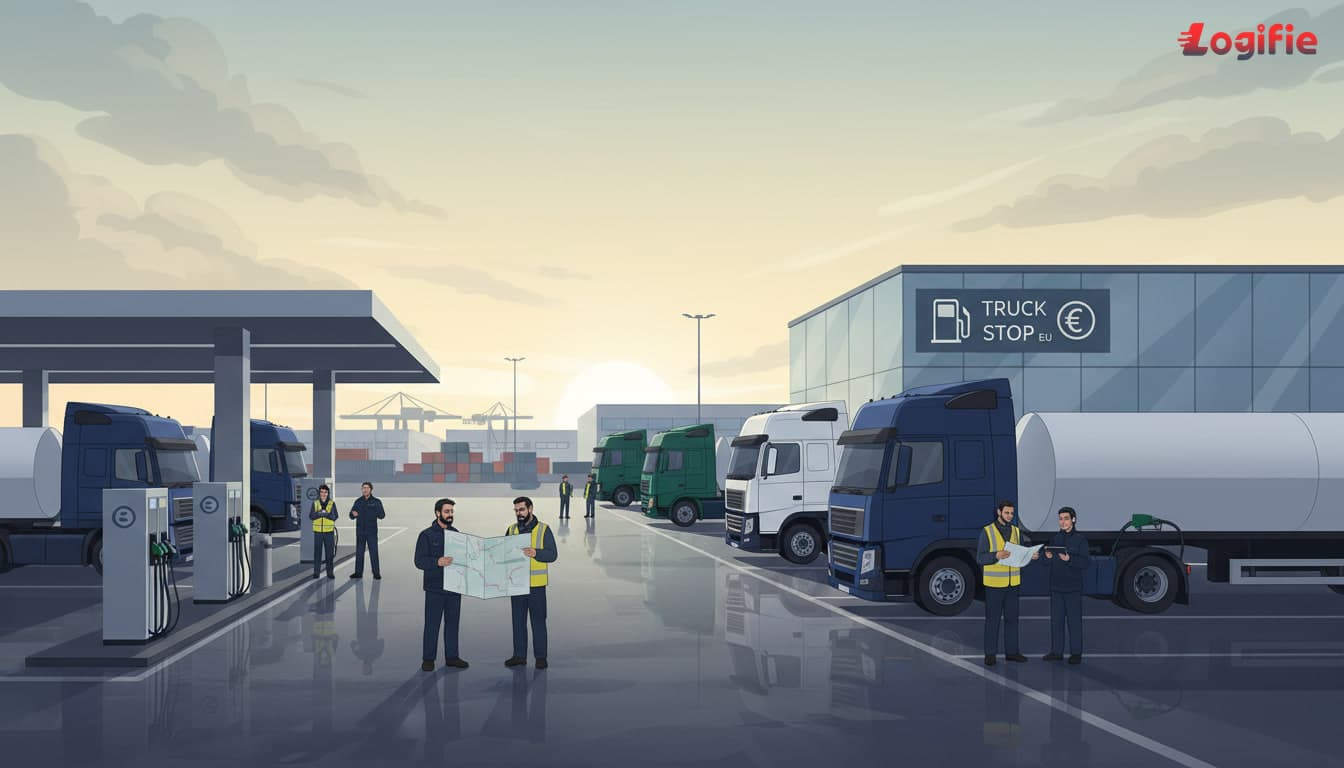
Vad som hände mellan 28 februari och 12 mars
| Datum | Marknadshändelse | Varför fraktteam bryr sig |
|---|---|---|
| 2026-02-28 | USA:s och Israels attacker mot Iran inleds | Energirisken går från bakgrundsbrus till omedelbar inköpsexponering |
| 2026-03-01 | Störningen i Hormuz fördjupas och råoljehandlare prissätter utbudsrisk | Transportörers bränslekort och spotofferter börjar avvika från månadsbudgetar |
| 2026-03-05 | Brent når cirka $85 per fat | Tilläggsformler börjar halka efter de verkliga driftkostnaderna |
| 2026-03-08 to 2026-03-11 | Analytiker varnar för en långvarig stängning samtidigt som diesel når cirka $1,165 per ton | Vägfraktkontrakt möter ett akut omprissättningstryck |
| 2026-03-11 to 2026-03-12 | Mer än 150 fartyg rapporteras vänta utanför Hormuz | Planering för hamn, drayage och inlandstransport blir mindre förutsägbar |
+57%
Brent steg från cirka $70 före konflikten till mer än $110 per fat inom två veckor.
150+
Ankrade fartyg utanför sundet visar hur snabbt maritim störning kan spilla över i planeringen av inlandstransporter.
Vad siffrorna betyder för transportörer och speditörer
En dieselspik av den här storleken ökar inte den totala fraktkostnaden med samma procenttal, men den skapar ändå en kraftig marginalpress för transportörer och en snabb budgetavvikelse för speditörer. På en typisk långdistanskorridor kan bränsle vara den mest volatila kostnadsposten när vägtullar, arbete och utrustning är låsta för veckan.
"Diesel reagerar mer aggressivt än bensin under det här hoppet på oljemarknaden."
- Patrick De Haan, GasBuddy via Yahoo Finance
- Spotofferter breddas först eftersom transportörer inte längre kan lita på gamla bränsleantaganden på korridorer med höga volymer.
- Månatliga tillägg släpar efter när marknaden rör sig snabbare än benchmarkcykeln som står i kontrakten.
- Strategi för gränsöverskridande tankning blir viktigare eftersom nationella skillnader i pumppris förändrar vilket stopp som är mest ekonomiskt rimligt.
- Äldre flottor tappar konkurrenskraft eftersom varje effektivitetsgap kostar mer när diesel ligger över normalnivån.
Om ert avtal fortfarande räknar om bränsletillägg varje månad kan er transportör redan finansiera skillnaden mellan februaririktmärken och dagens verklighet. Använd liveövervakning av bränsle för att kvantifiera gapet innan fakturatvister uppstår.
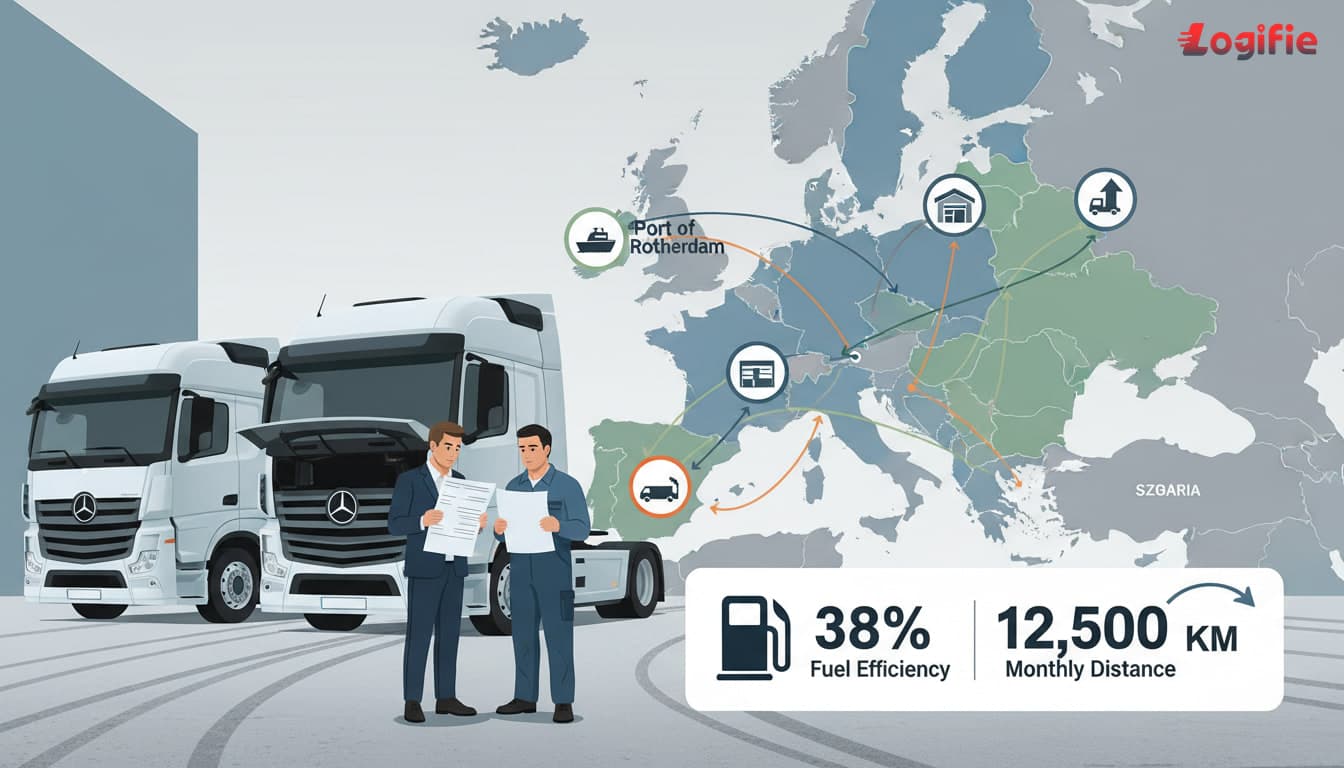
Öst-väst-klyftan i diesel förändrar routekonomin
Den europeiska bilden är ojämn. Trans.info rapporterade ett nästan gap på 1 EUR per liter mellan de billigaste och dyraste dieselmarknaderna, med Slovenien på 1,528 EUR per liter. Det betyder att ruttutformning och tankningsdisciplin inte längre kan bygga på ett enkelt regionalt snitt.
| Mätvärde | Före chocken | Nuvarande läge | Operativ betydelse |
|---|---|---|---|
| Europeisk grossistdiesel | Cirka $750/ton | Cirka $1,165/ton | Bränsleklausuler och spotofferter behöver snabbare översyn |
| Brentolja | Cirka $70/fat | $110+/barrel | Ytterligare dieselpress är möjlig om störningen består |
| Diesel vid pump på Irland | Cirka 1,92 EUR/liter | EUR 1.98/litre | Nationella pumpprisrörelser når redan köpare |
| Diesel vid pump i Slovenien | n/a | EUR 1.528/litre | Tankningsgeografi kan skapa meningsfulla korridorbesparingar |
| Exempelkorridor Tyskland till Spanien | 729 EUR i bränslekostnad | 918 EUR i bränslekostnad | Ungefär 189 EUR mer per resa vid nuvarande antaganden |
+EUR 189
Vid omkring 1 800 km och 30 liter per 100 km innebär exempelkorridoren i researchen ungefär 189 EUR mer i bränslekostnad.
Vad fraktteam bör göra den här veckan
Behandla detta som en operativ kontrolluppgift, inte som en passiv marknadshistoria. Speditörer bör samordna inköp, finans och transportteam kring ett riktmärke, medan transportörer bör använda aktuell korridorsynlighet och aktuella bränsleprissignaler innan de binder upp kapacitet till fasta priser.
- Räkna om bränsleklausuler varje vecka tills marknaden slutar röra sig snabbare än er avtalscykel.
- Granska det live-gap som finns mellan fakturaformler och aktuella dieselriktmärken så att nödtillägg kan motiveras med data.
- Planera tankstopp land för land i stället för att anta ett enda europeiskt genomsnittspris.
- Skydda högvolymkorridorer först eftersom återkommande resor på samma korridor förstorar varje liter av kostnadsinflationen.
- Kontrollera vårens störningsdatum med kalendern för allmänna helgdagar så att köer och stängningar inte tvingar fram dyr tankning i sista minuten.
- Uppdatera kommunikationen mellan speditör och transportör nu innan aprilfakturor gör en marknadschock till ett förtroendeproblem.
Vanliga frågor
Kommer fraktraterna att gå upp på grund av dieselpriserna?
Ja. Eftersom bränsle ofta står för 30% till 50% av den totala driftkostnaden kommer en varaktig dieselrörelse av den här storleken vanligtvis först att bredda spotrater och sedan trycka upp kontraktsrater när tilläggsformler och anbudsöversyner hinner ikapp.
Hur länge kan strategiska oljereserver hjälpa?
Strategiska reserver kan dämpa den kortsiktiga tillgänglighetsschocken, men de tar inte bort den prispremien som skapas av en aktiv flaskhals. Om Hormuz förblir begränsat in i Q2 bör fraktteam planera för fortsatt volatilitet snarare än en snabb återgång till kostnadsantagandena från februari.
Team som uppdaterar bränsleantaganden varje vecka, gör om tankningsgeografin och håller inköp i linje med aktuella marknadssignaler skyddar normalt servicenivåer bättre än team som väntar på månadsslutsöverraskningar i fakturan.
Slutsats
Dieselchocken från kriget i Iran omformar redan Europas vägfrakt eftersom risk i råolja snabbt blir dieselvolatilitet, och dieselvolatilitet blir snabbt omprissättningstryck på korridorer, tillägg och relationer med transportörer. De operatörer som klarar den här perioden bäst är de som använder livebränsledata, snabb avtalsdisciplin och realistisk ruttplanering i stället för föråldrade februariantaganden.
Källor
Yahoo Finance rapporterar om hur diesel reagerade mer aggressivt än bensin under oljeprisuppgången kopplad till kriget i Iran.
CNBC:s bevakning av stängningen av Hormuzsundet, tankerstörningar och de ekonomiska konsekvenserna för globala sjöfartsflöden.
Kplers analys av hur USA-Iran-konflikten och krisen i Hormuzsundet omformade förväntningarna på den globala oljemarknaden.
Trans.info rapporterar om det växande öst-väst-gapet i dieselpriser i Europa och policyskillnaderna mellan marknader.
Al Jazeera rapporterar om den långvariga påverkan på energimarknaden och risken att Brent stiger långt över de normala senaste handelsintervallen.