Reverse Logistics and the Circular Economy in Europe: Turning Returns into Resources
E-commerce growth and tightening environmental regulations have brought reverse logistics - the process of collecting returned goods and packaging and reintegrating them into supply chains - to the forefront. To achieve sustainability goals, businesses must...

Logifie Team
Logistics Technology Experts
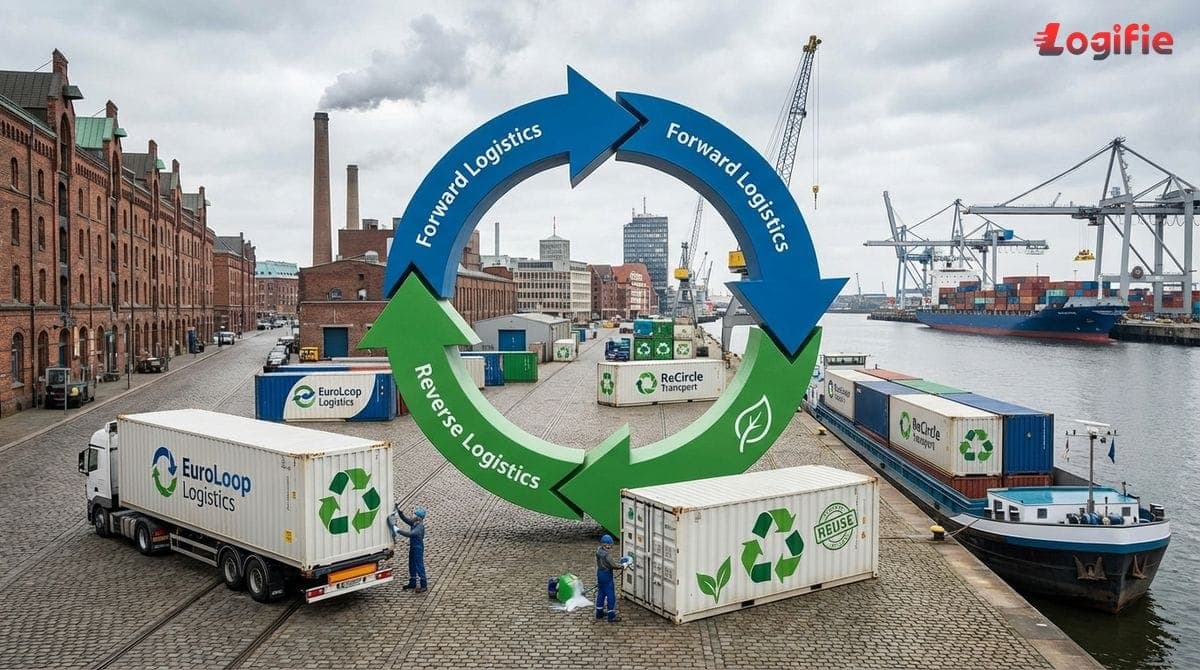
E-commerce growth and tightening environmental regulations have brought reverse logistics - the process of collecting returned goods and packaging and reintegrating them into supply chains - to the forefront. To achieve sustainability goals, businesses must align reverse logistics with the EU's circular economy strategies. This article explores the regulatory framework and offers practical steps for shippers and carriers.
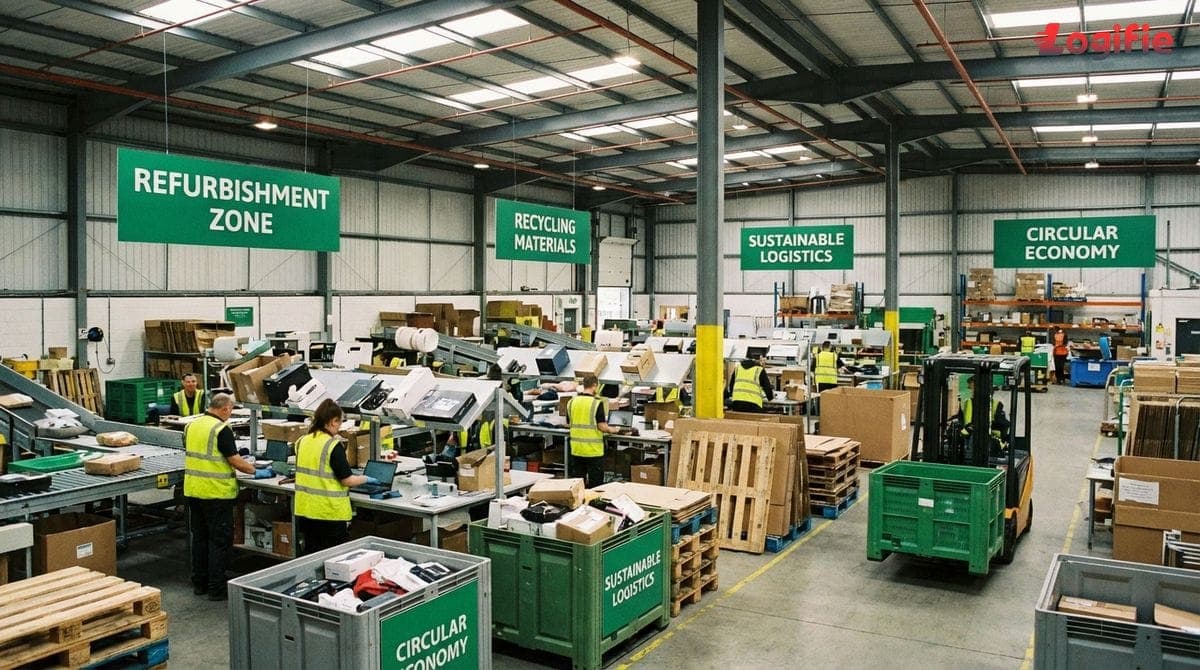
Why reverse logistics matters
Returns and end-of-life products are no longer seen solely as costs; they are resources that can be refurbished, reused or recycled. The European Environment Agency (EEA) notes that the EU is transitioning from a linear model, where products are discarded after a single use, to a circular economy that emphasises re-use, repair and recycling. Circular models allow materials to be used longer and made into new products, reducing waste and environmental impact.
However, progress is slow: recycled material accounted for only 11.5% of the material used in the EU in 2022 and doubling the circular material use rate by 2030 will be challenging. At the same time, landfilling of waste in the EU decreased from 23% to 16% between 2010 and 2020, indicating some success in diverting waste. Reverse logistics can help close the loop by retrieving products and packaging for re-processing.
Packaging and Packaging Waste Regulation (PPWR)
The new Packaging and Packaging Waste Regulation (PPWR), which entered into force on 11 February 2025, sets ambitious targets for recycling and reuse. It aims to make all packaging on the EU market recyclable by 2030, increase the use of recycled plastics and decrease the use of virgin materials. The regulation also introduces restrictions on single-use packaging and requires take-away businesses to allow customers to bring their own containers at no extra cost. Packaging accounts for 40% of plastic use in the EU and half of marine litter, and each EU resident generated 186.5 kg of packaging waste in 2022.
For logistics managers, the PPWR means increased responsibility for returning packaging and ensuring it is processed in compliant facilities. Reusable packaging systems and design for recycling become critical elements of logistics planning.
Designing reverse logistics networks
To build effective reverse logistics systems, companies should:
- Analyse return flows: Identify products with high return rates, such as electronics or textiles, and determine whether they can be repaired, refurbished or recycled.
- Use collection points and lockers: Consolidate returns through parcel shops, lockers or retail stores to reduce collection costs and improve convenience for consumers.
- Integrate with forward logistics: Combine deliveries and pick-ups on the same route to minimise empty mileage. Advanced route optimisation helps align forward and reverse flows.
- Partner with refurbishers and recyclers: Establish agreements with certified refurbishers and recycling companies to handle returned goods. Ensure that data on return conditions is captured to decide the best disposition.
- Adopt reusable packaging: Invest in durable transit packaging (e.g., foldable crates) that can be returned, cleaned and reused. This not only reduces waste but also improves product protection.
Circular economy strategies in logistics
Reverse logistics should be part of a broader circular economy strategy that includes:
- Design for disassembly: Products and packaging should be easy to disassemble for repair or recycling.
- Shared resources: Use shared warehousing and transportation to pool resources and reduce idle capacity.
- Data and tracking: Implement tracking systems (e.g., RFID, blockchain) to monitor assets through multiple cycles and prevent loss.
- Consumer engagement: Encourage consumers to return products by offering incentives or deposit schemes.
- Reporting and compliance: Monitor key metrics such as return rates, re-use rates and recycling rates to meet regulatory reporting requirements.
Conclusion
Reverse logistics is a cornerstone of the circular economy. By embracing the PPWR and aligning operations with EU circular economy goals, European shippers and carriers can transform returns from a cost centre into a value generator. Integrating reverse flows, investing in reusable packaging and collaborating across the value chain will help companies achieve sustainability targets and respond to growing consumer and regulatory pressure.
Sources
Circular economy (European Environment Agency, 2024) - Describes Europe's transition from linear to circular models, noting that only 11.5% of materials used in the EU in 2022 were recycled and that landfilling decreased from 23% to 16% between 2010 and 2020.
Packaging waste (European Commission, 2025) - Outlines the Packaging and Packaging Waste Regulation (2025/40), which requires all packaging to be recyclable by 2030, increases recycled plastics, reduces virgin materials, restricts single-use packaging and mandates that take-away businesses accept customers' own containers.