Warehouse Automation and Robotics in Europe: Trends, Benefits and Implementation Tips
Labour shortages, rising e-commerce volumes and the demand for faster order fulfilment are driving investments in warehouse automation and robotics across Europe. While market analysts predict rapid growth, evidence from international organisations and...

Logifie Team
Logistics Technology Experts
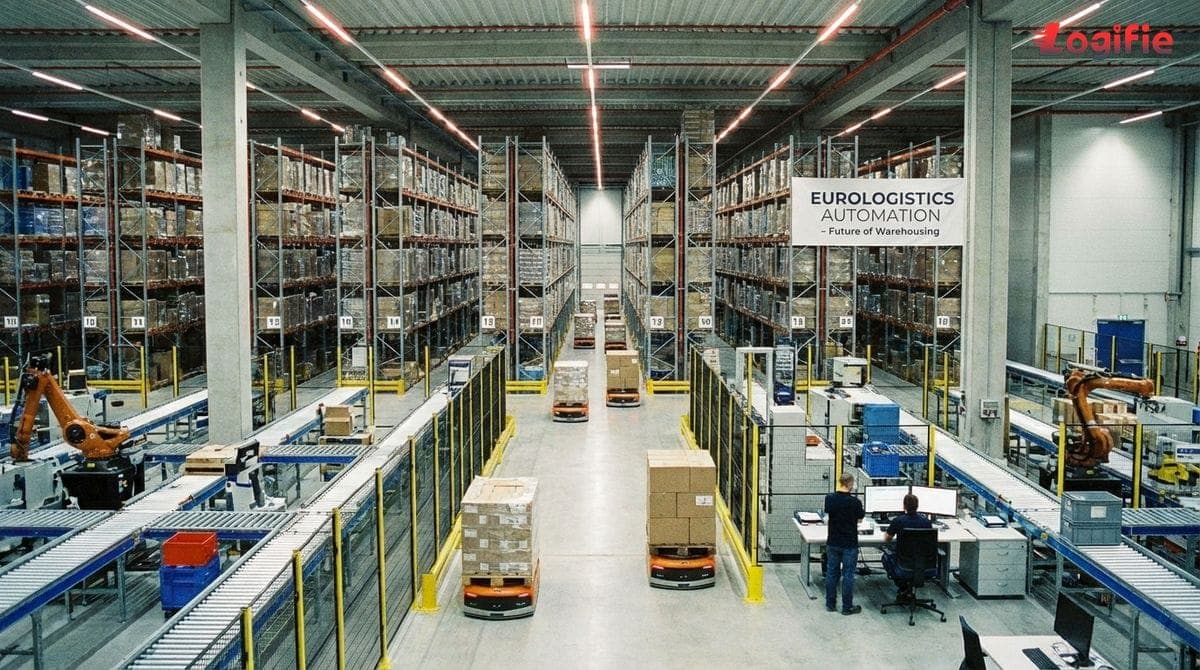
Labour shortages, rising e-commerce volumes and the demand for faster order fulfilment are driving investments in warehouse automation and robotics across Europe. While market analysts predict rapid growth, evidence from international organisations and industry surveys shows how automation is reshaping logistics. This article summarises the latest data and offers guidance for successful implementation.
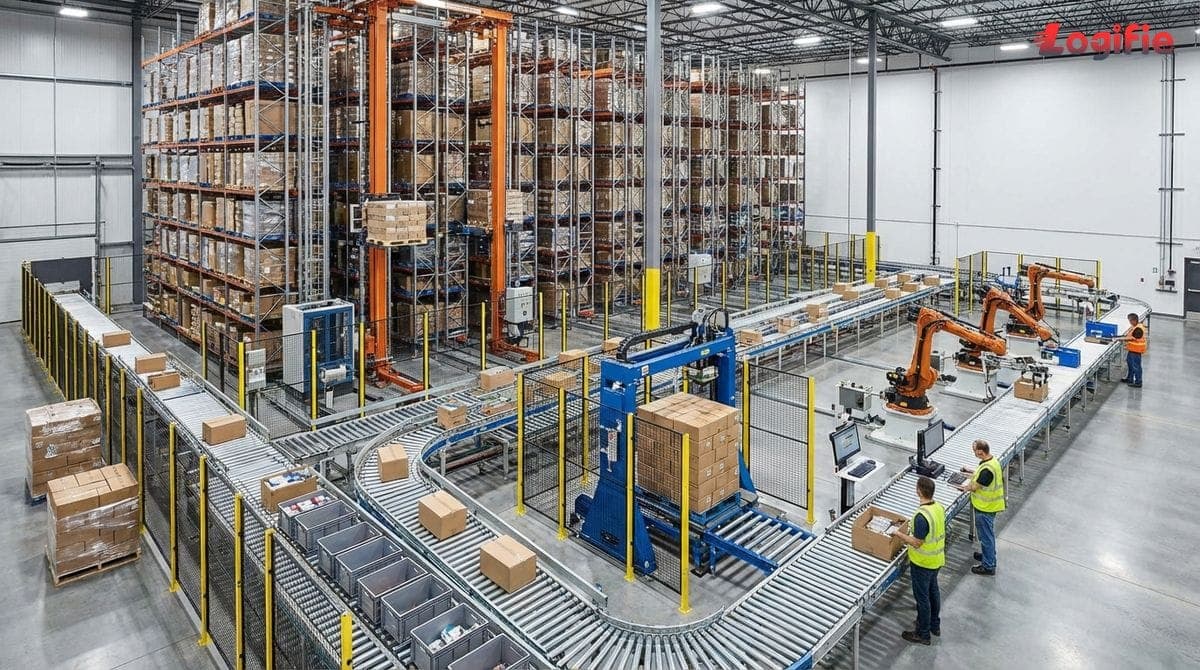
Market trends and adoption
According to the International Federation of Robotics (IFR), sales of professional service robots increased by 30% worldwide in 2023. Of the more than 205,000 units sold, Europe accounted for 33,918 units while the Asia-Pacific region dominated with 162,284 units. Over half of the professional service robots sold were for transportation and logistics applications, with sales in this category growing by 35%. Labour shortages are a key driver: automated loading and unloading robots reduce the time drivers spend on manual tasks. The IFR also notes that Germany is home to 83 service and medical robot manufacturers and that Europe hosts about 44% of the world's service robot producers.
A survey by McKinsey of industrial companies worldwide found that logistics and fulfilment players expect automation to represent 30% or more of their capital spending over the next five years. Retail and consumer goods firms plan the largest investments, followed by food and beverage. Automation's key use cases include material handling, palletisation, picking, sorting and quality assurance. Respondents see benefits in increased speed, capacity and quality, but cite high capital costs and lack of internal experience as major barriers.
Benefits for European warehouses
Automation can deliver multiple benefits:
- Productivity and throughput: Robots and automated storage and retrieval systems (AS/RS) can operate 24/7, increasing throughput and reducing order lead times.
- Reduced labour dependence: AMRs (autonomous mobile robots) and robotic palletisers reduce reliance on manual labour, addressing the driver and warehouse worker shortages identified by the IRU and ELA/EURES reports.
- Accuracy and safety: Automated systems reduce picking errors, minimise damage and improve workplace safety.
- Space optimisation: High-density storage systems allow warehouses to maximise cubic capacity, which is valuable given Europe's high land costs.
- Data and visibility: Automated solutions often include software for real-time inventory tracking and analytics.
Challenges and pitfalls
Despite these benefits, warehouse automation is not a plug-and-play solution. Challenges include:
- Capital cost: Robots and AS/RS systems require significant upfront investment. Some firms address this by adopting robotics as a service (RaaS) models, paying per pick or per month.
- Integration: Many warehouses operate with legacy WMS and manual processes. Integrating robotics requires careful mapping of processes, data standards and IT architecture. McKinsey notes that many companies lack internal experience and worry about compatibility.
- Change management: Automation changes workflows and job roles. Successful implementation requires training staff and engaging them in the transition.
- Facility constraints: Not all buildings can support automation due to floor load limits, ceiling heights or layout. Conduct a feasibility study before investing.
Implementation tips
- Assess the business case: Analyse order profiles, volumes and labour costs to identify areas where automation offers the highest return on investment. Consider labour shortages, peak season demand and error rates.
- Start with pilot projects: Pilot a small number of robots or an AS/RS in one zone. Use lessons learned to refine processes and build confidence.
- Choose scalable solutions: Select modular systems that can grow with your business. Robotics vendors increasingly offer flexible, cloud-connected platforms.
- Integrate IT systems: Ensure your warehouse management system can communicate with robots. Standardised data formats and APIs reduce integration headaches.
- Plan for maintenance and support: Robots require preventive maintenance and software updates. Partner with vendors that provide 24/7 support and predictive analytics.
- Engage the workforce: Train employees to work alongside robots. Automation often changes tasks rather than eliminating jobs, creating opportunities for upskilling.
Conclusion
Warehouse automation and robotics are becoming central to European logistics. With service robot sales rising sharply and logistics companies planning large investments, now is the time to evaluate how automation fits into your supply chain. By understanding market trends, benefits and challenges, and by following a structured implementation approach, shippers and warehouse operators can harness automation to overcome labour shortages, improve efficiency and meet growing customer expectations.
Sources
Sales of Service Robots up 30% Worldwide (International Federation of Robotics, 2024) - Reports that more than 205,000 professional service robots were registered in 2023, including 33,918 units in Europe; over half of the robots sold were for transportation and logistics, with sales in this category growing by 35%; the press release notes that labour shortages drive demand and that Europe hosts about 44% of service robot manufacturers.
Unlocking the industrial potential of robotics and automation (Femi Ajewole, Ani Kelkar, Dylan Moore, Emily Shao, Manju Thirtha, 2023) - Presents results from the 2022 McKinsey Global Industrial Robotics Survey, stating that logistics and fulfilment players expect automation to account for 30% or more of capital spending in the next five years and identifying material handling, palletisation and sorting as key use cases; cites high capital costs and lack of internal experience as barriers.